Send Life-Saving Care to Wildlife Animals
Help save wild animals and their babies by funding essentials for their care.
Young wildlife animals are taken into rescues every day, especially during birthing season.
These animals may end up in a shelter because they were injured, are sick, a parent passed away or left them abandoned. No matter the case, these defenseless young animals need the help of trained caretakers to tend to their needs and specialized supplies that can be quite expensive for shelters. Some wildlife animals that are adults need a little extra care and supplies as well.
Your gift will help provide:
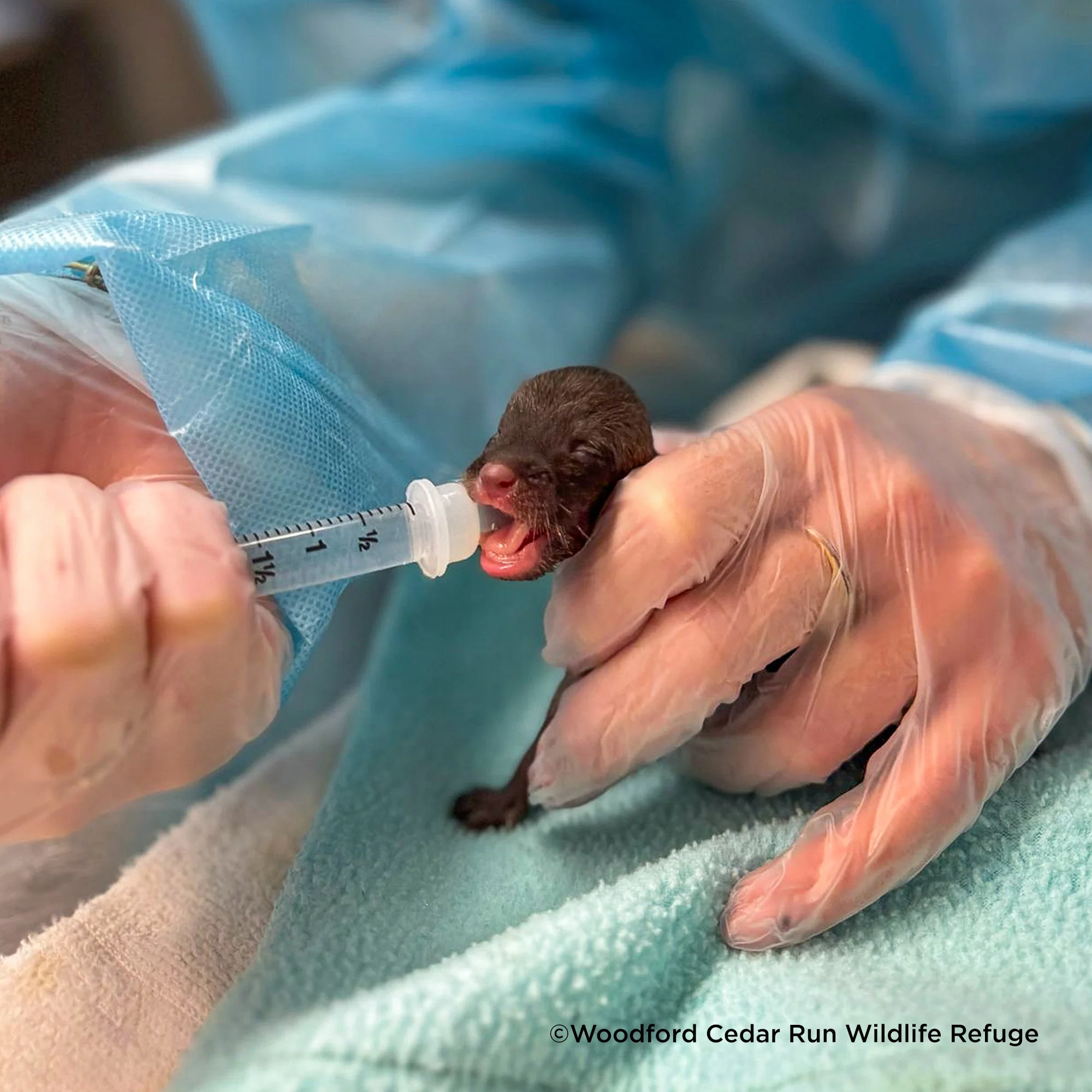
- Formula essential for survival and provides essential nutrients to help these animals not only survive but thrive. On average, a baby will need between 12-40 ounces of formula between arriving at the rescue and when they can begin eating solid food.
- Miracle Nipples: in different sizes to best help each animal in need.
- O-Ring Syringes: in different sizes to best help each animal in need.
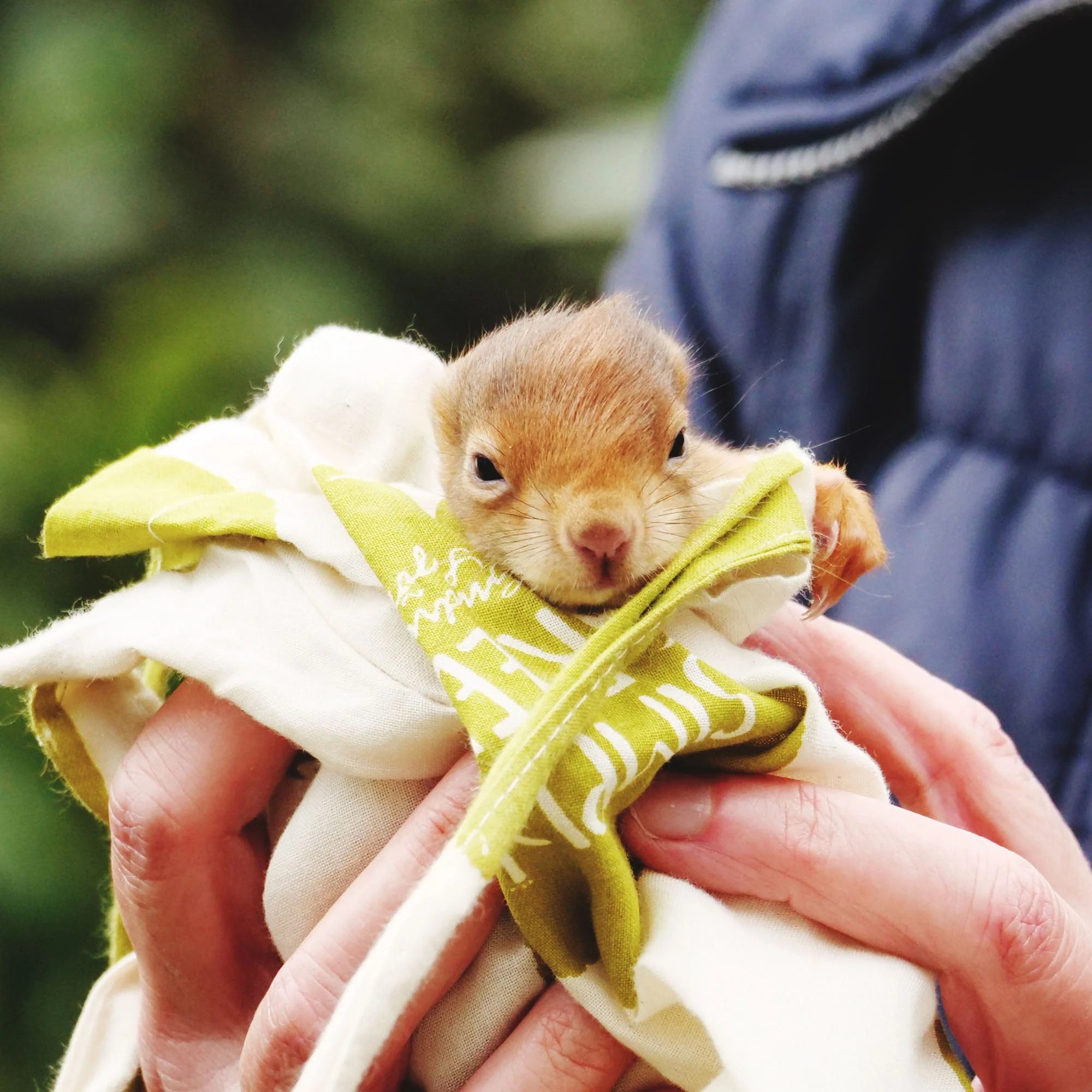
- Blankets: Providing heat is critical for young animals, to support body temperatures and bodily functions along with enabling proper development. They also provide a sense of safety.
- Exam Gloves: to ensure safety and health not just for the animals but for the rescue worker as well.
- Bite Guard Gloves: perfect for protecting rescue workers from wild babies that may be a bit scared. These gloves are truly appreciated by rescue workers, as they ensure safety when helping animals that are naturally defending themselves.
- Other supplies that are specific to each shelter could be sent as well, depending on the rescue's needs and wants. These items will provide life saving care that would otherwise be to expensive for a rescue to purchase.
Help save an animal's life today!
Stories:
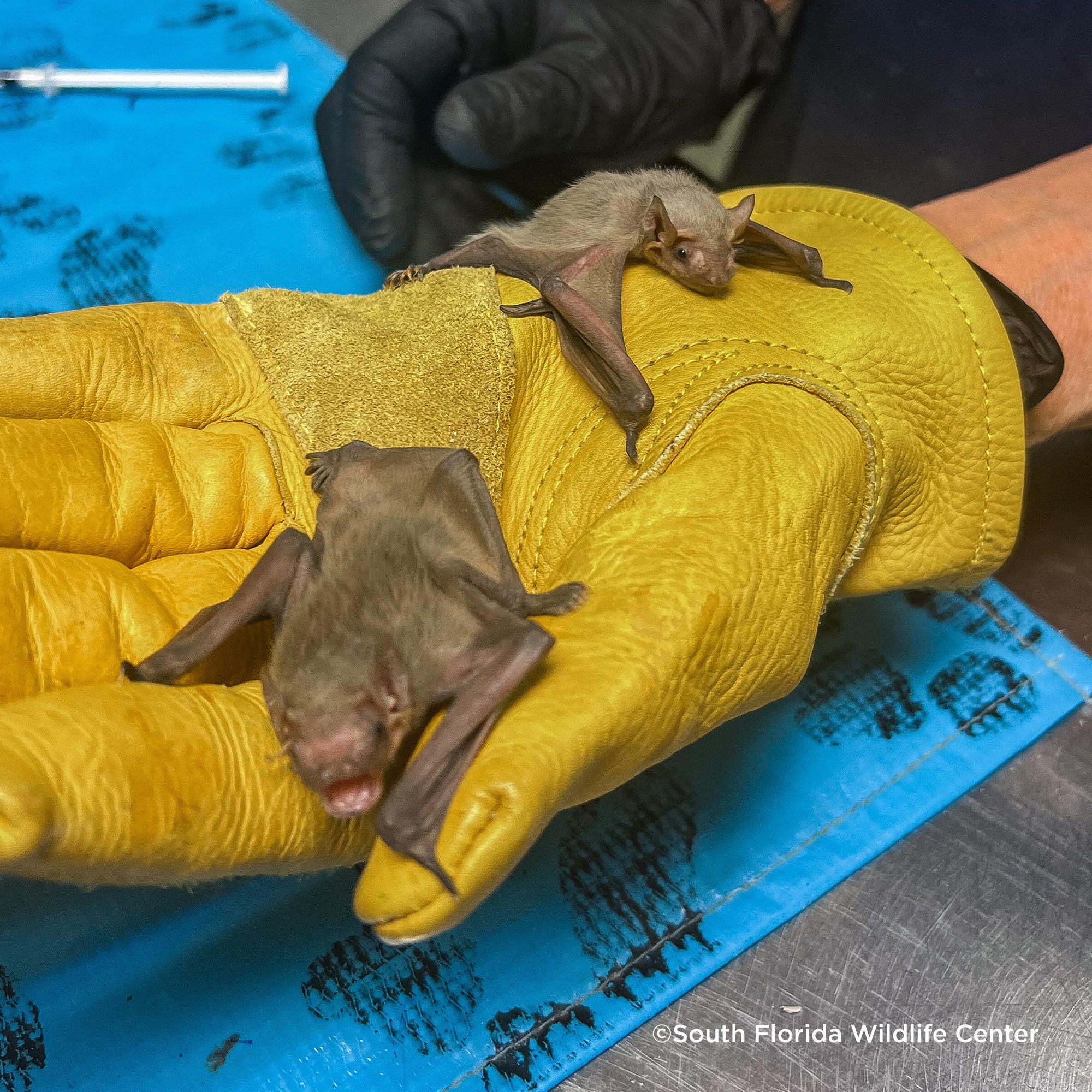
Four 5-lb bags of milk would be used to hand- feed orphaned or injured wild mammals that require milk formula for nutrition and survival during rehabilitation. The milk supports healthy growth, organ development, and immune function in neonates and juveniles that are no longer nursing from their mothers. In a wildlife rehab setting like SFWC, this formula is crucial during the busy baby season when dozens to hundreds of young mammals may need intensive feeding and care.

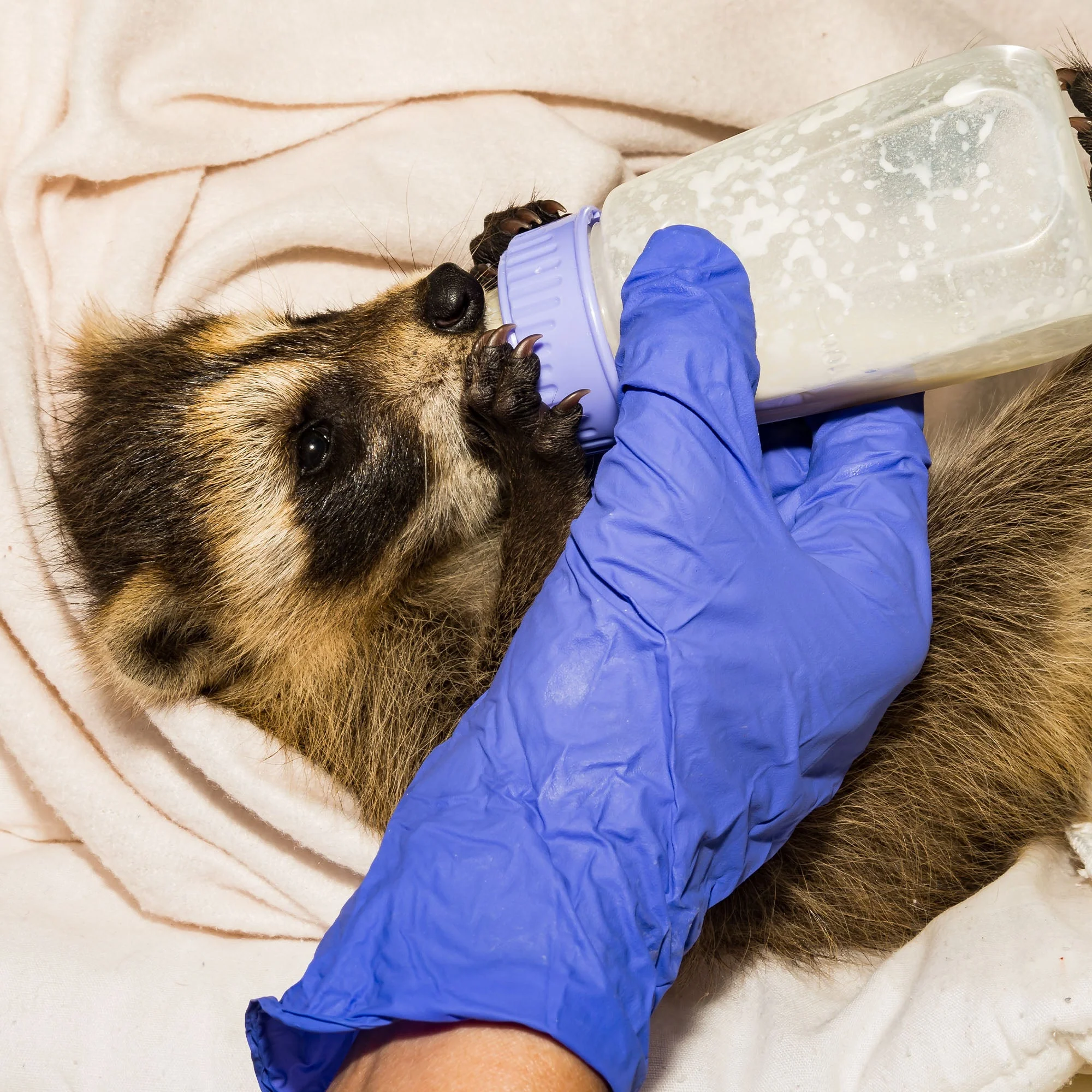
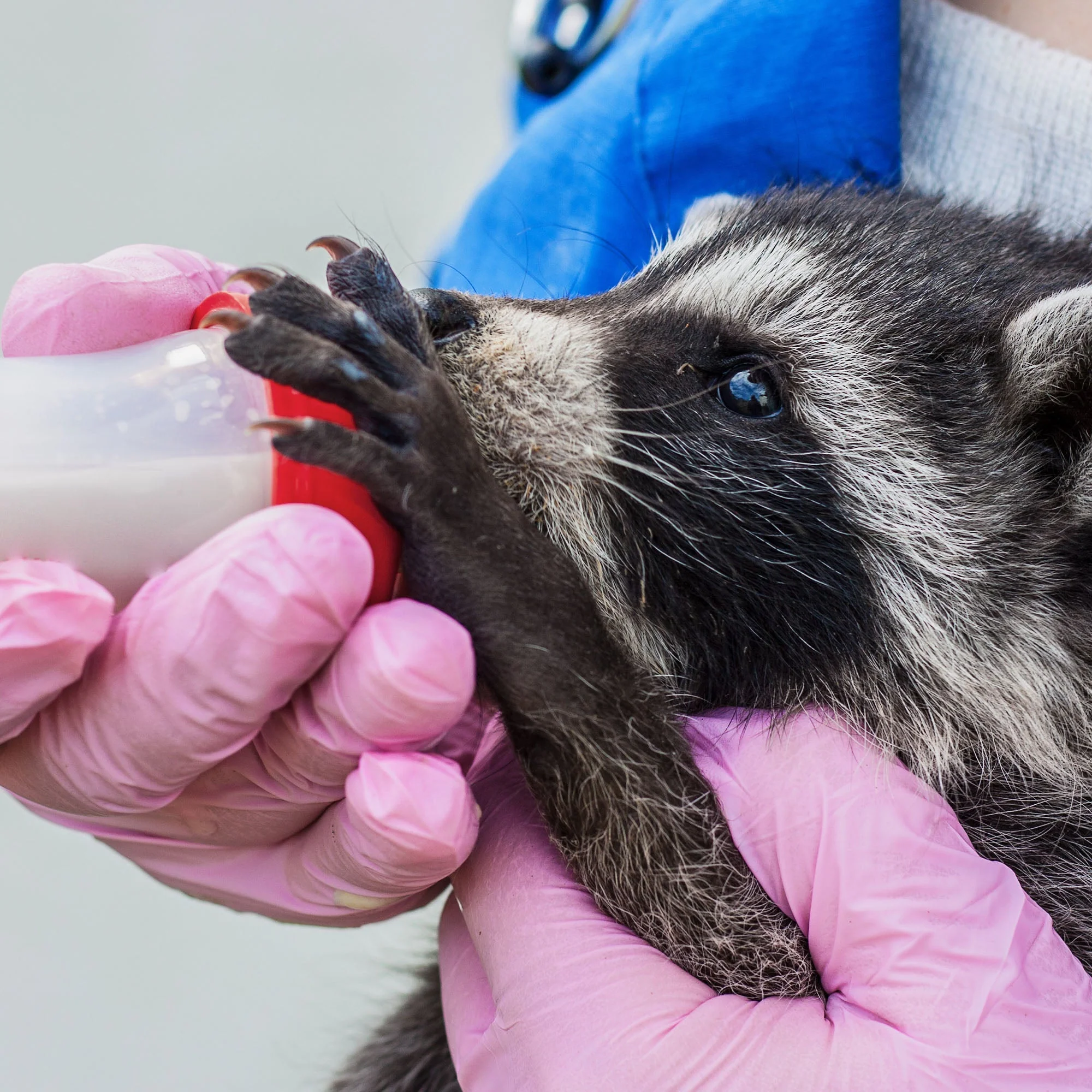
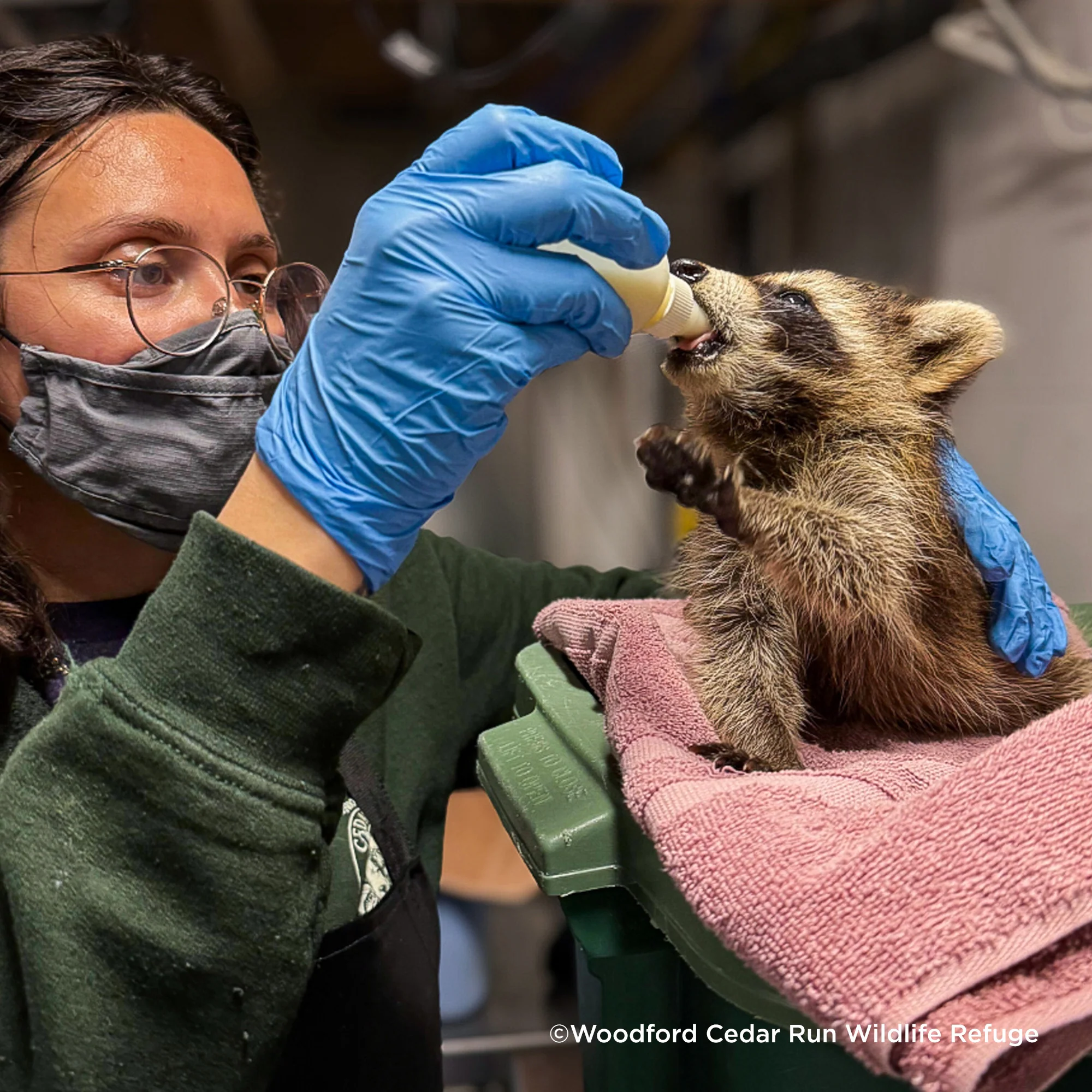
Raccoon feeding from partner at Cedar Run’s Wildlife Rehabilitation Hospital. Recently, Cedar Run – already the largest and busiest wildlife rehabilitation facility in New Jersey – has seen a significant increase in the number of wildlife intakes, this year reaching our highest levels ever. In 2024, Cedar Run took in 7,703 animals, representing more than 32,840 feedings, 2,892 hours of care, and an incredible amount of dedication from over 200 volunteers and staff members.

Cedar Run’s Wildlife Rehabilitation Hospital has been dedicated to providing high-quality life-saving critical care and rehabilitation of injured and orphaned wildlife for decades. Recently, Cedar Run has seen a significant increase in the number of wildlife intakes, this year reaching our highest levels ever. Here a baby gray fox is being given formula to survive.

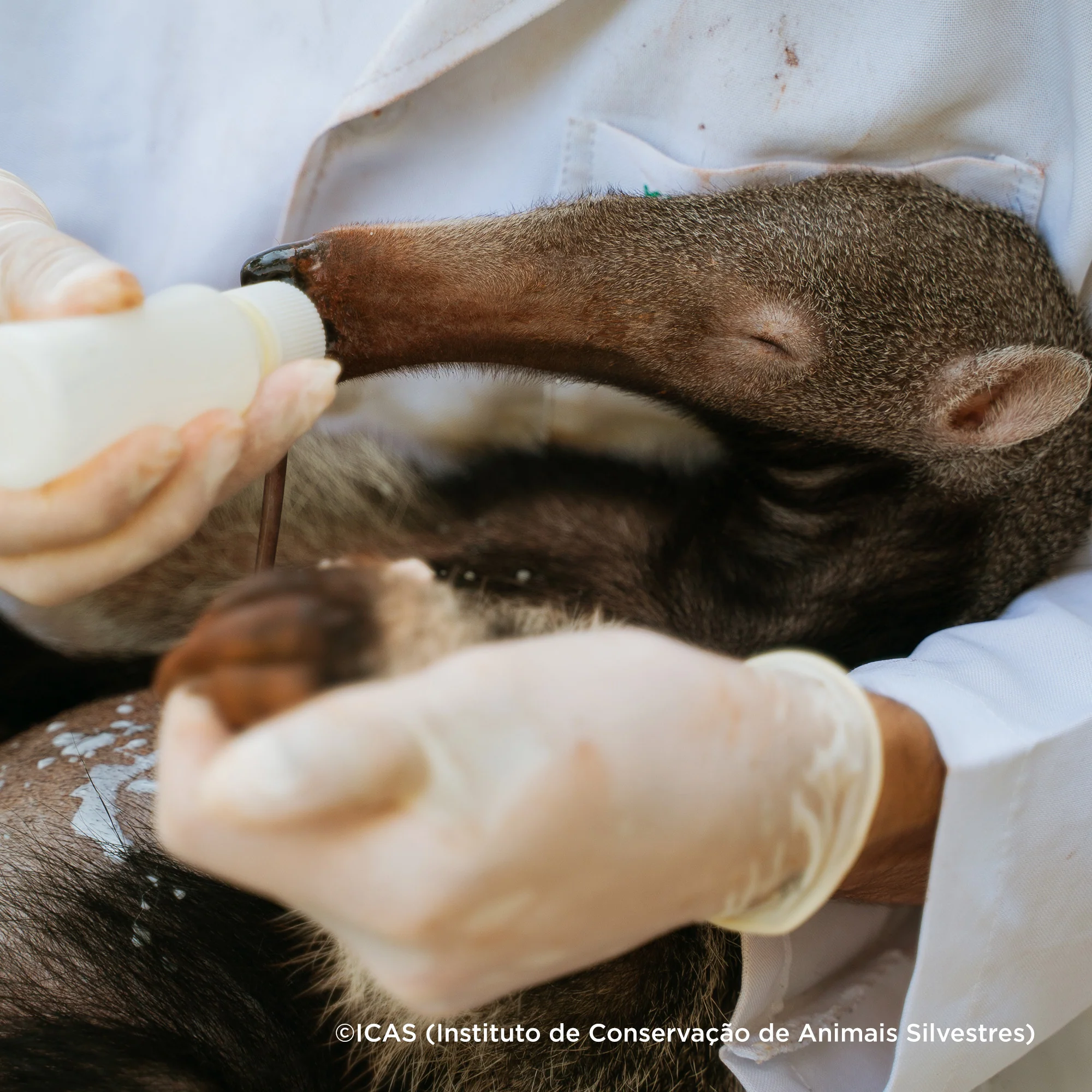
The forests and grasslands of the Brazilian Cerrado harbor one of the largest remaining populations of giant anteaters. However, the Cerrado is currently under threat due to rapid agricultural development and fragmentation caused by the expansion of an extensive road network. As a result, this species is among the primary victims of vehicular collisions on highways in the state of Mato Grosso do Sul. This sweet orphaned anteater is being bottle fed at a rehabilitation center, according to ICAS this image is from their partner: Anteaters and Highway Project.

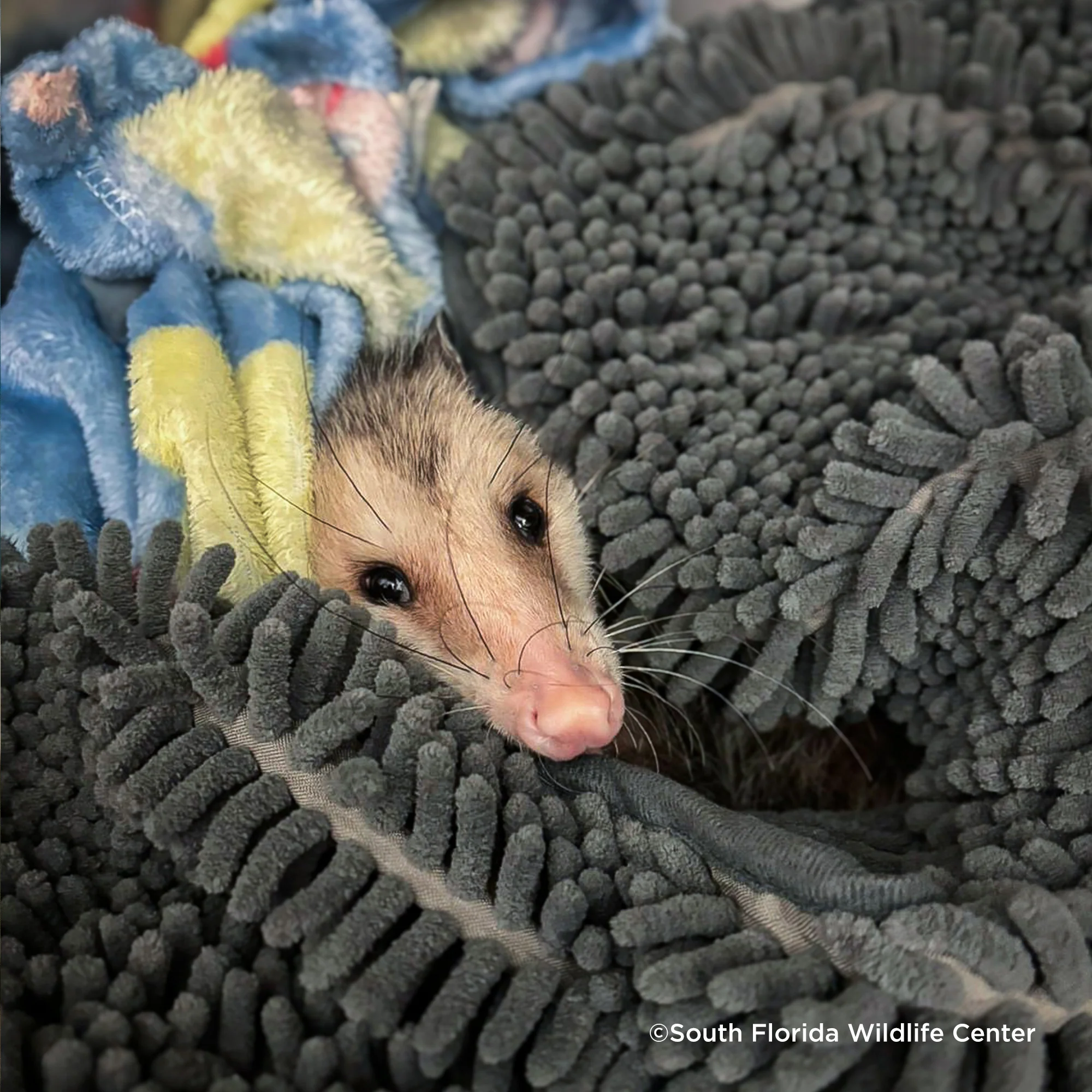
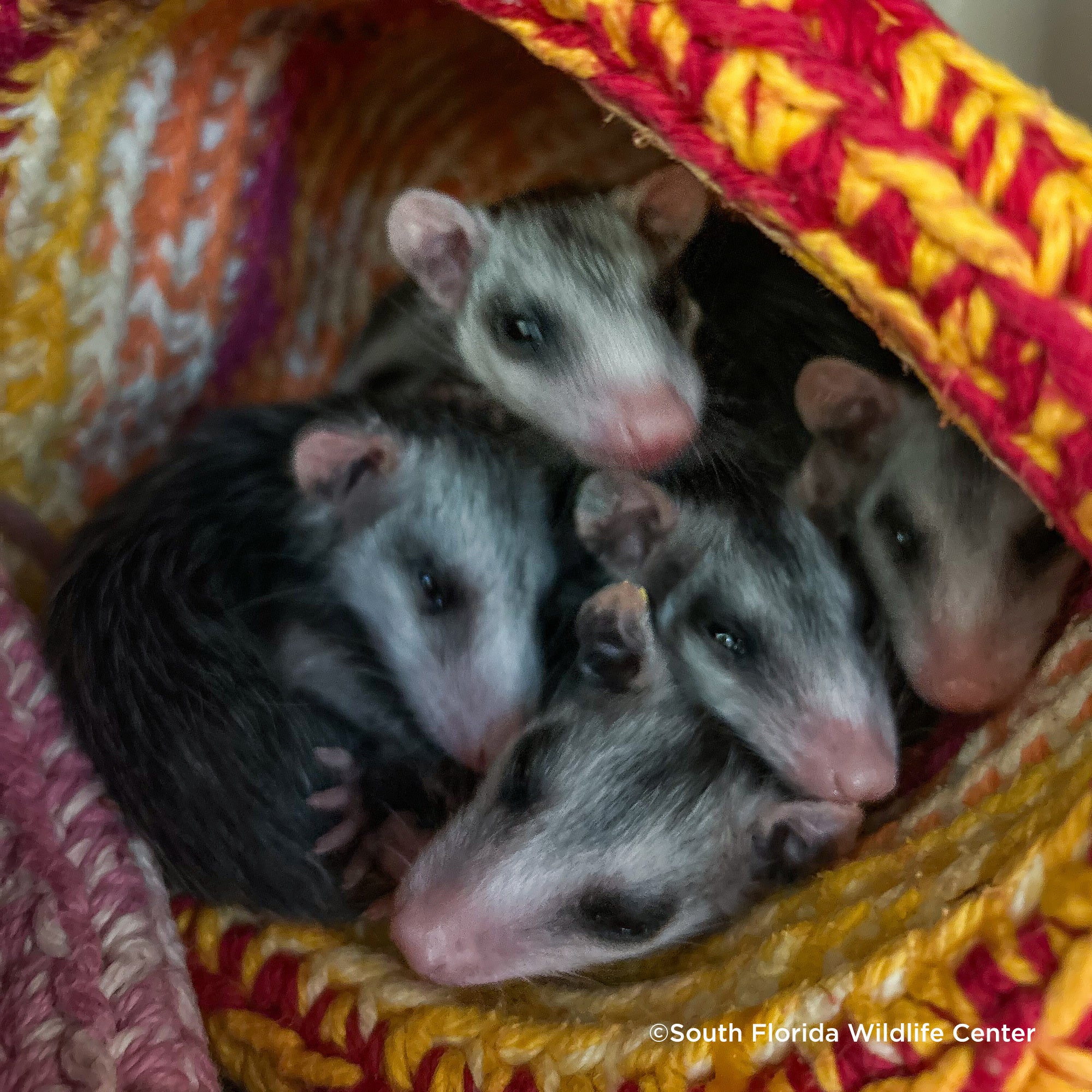
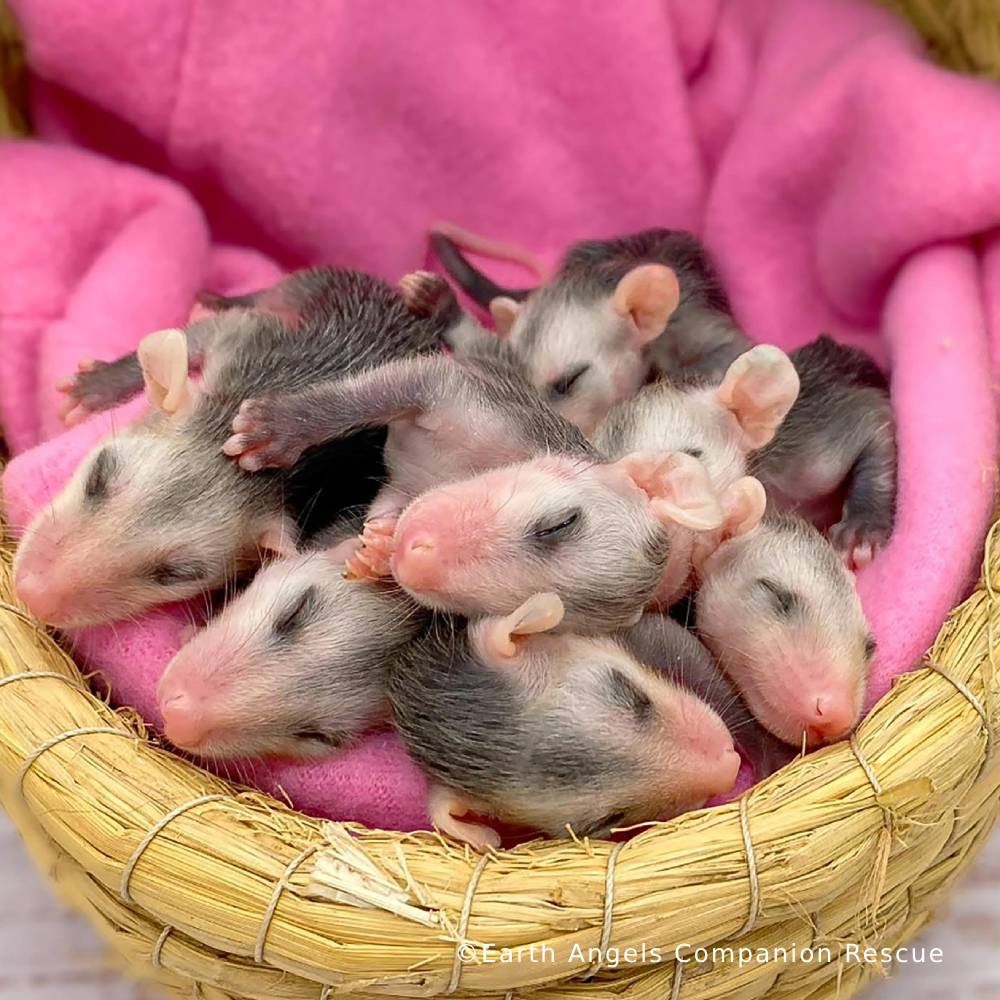
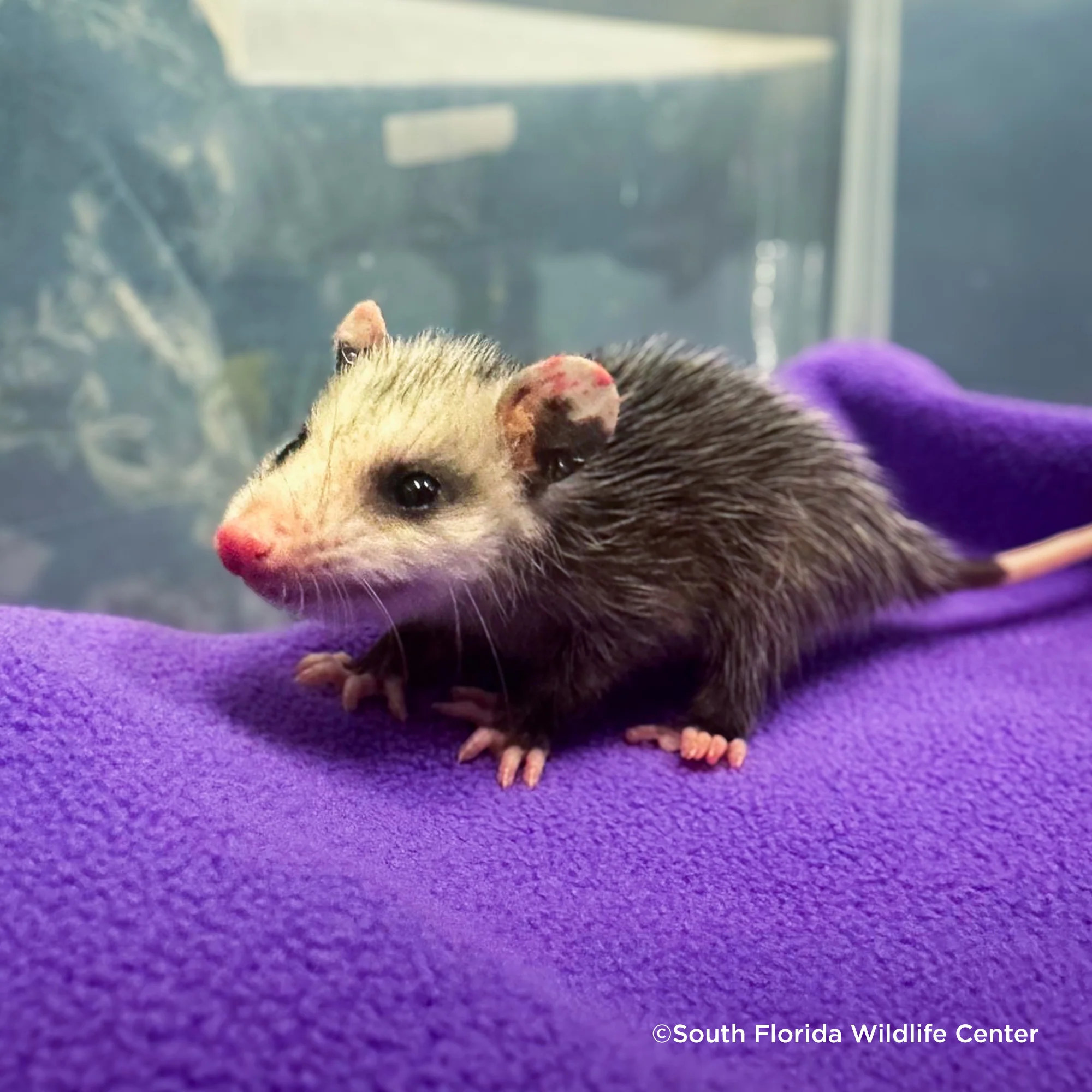
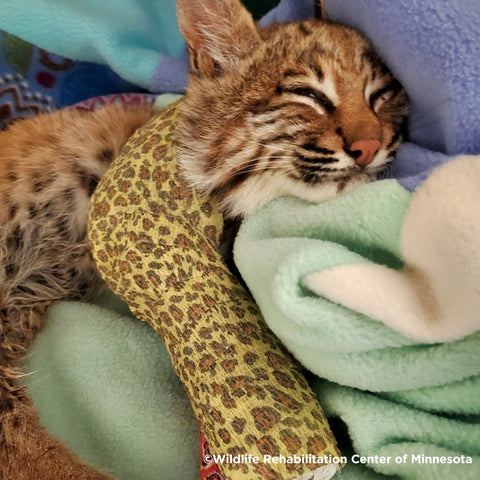
The Wildlife Rehabilitation Center of Minnesota takes in a variety of animals who are rescued by the public who care about wildlife. Baby animals, like this opossum, are raised in their mammal nursery. They are fed multiple times a day with formula provided from these kits! Certain formulas are great for a variety of animals, which helps shelters and rehab centers that never know what animal will be dropped off. Lynnette Scott had this to say about the image below "Most patients don't stay in buckets we use for weighing; attempting escape like this opossum". This sweet bobcat on the right benefited from some blankets sent as it recovered from an injury!
During a site survey in the Palisades fire zone, Army Corps biologists discovered an active Acorn Woodpecker nest in a scorched oak tree slated for removal. The chicks—rescued at the nestling stage—were transferred to the Wetlands and Wildlife Care Center, where they were hand-fed a specialized formula and cared for until they were strong enough to fledge.

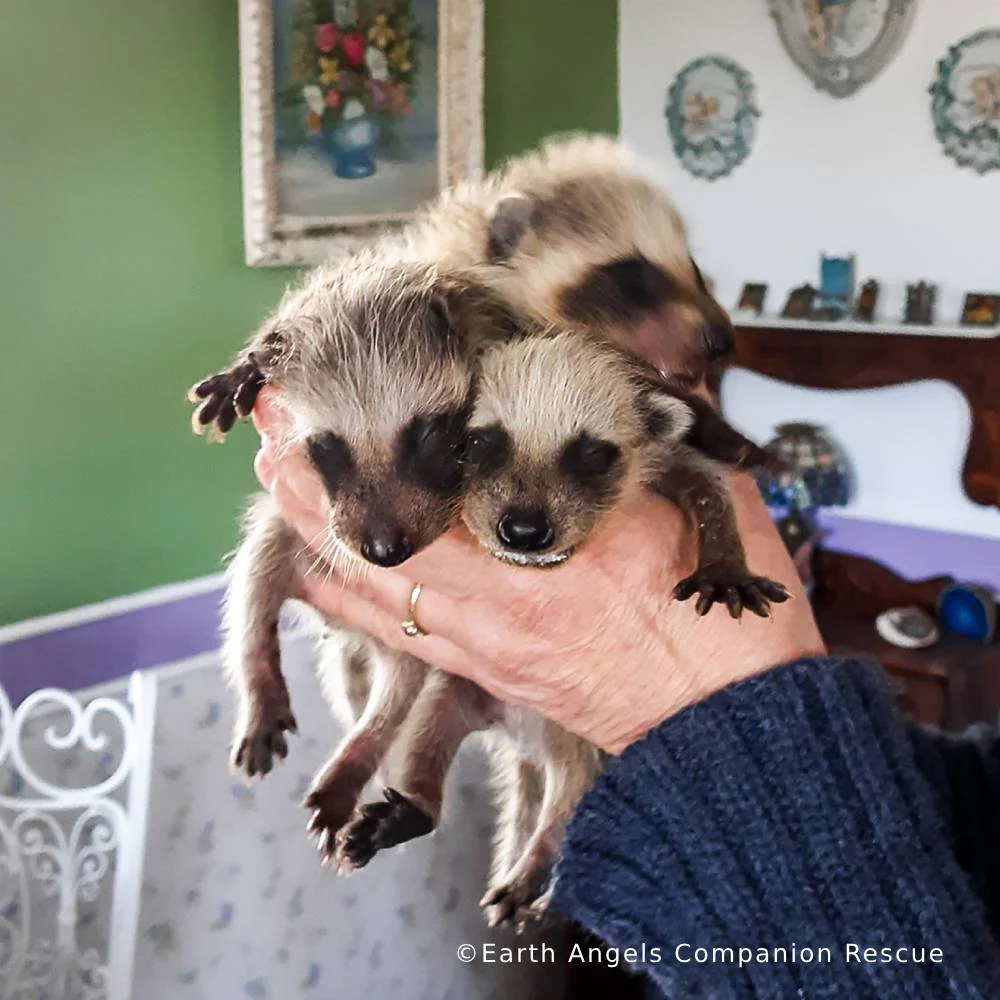
According to Diane Johnson of Operation Wildlife Inc. food costs for a baby raccoon runs between $250-$500 depending on the age they are brought in. They were really struggling to keep up with the costs. "May of these animals come to us because their mom has been killed or their home was destroyed. 99% of all the mammals come in because of human related causes. The formula that was sent will also feed not only raccoons, but foxes, coyotes and skunks in Operation Wildlife Inc.'s care.

Serena was one of six baby swans. Many of her siblings did not survive in the wild, and Serena was bit bad by a snapping turtle. The blankets sent have kept her warm in her "large bird condo" where she is safe and has space to heal. She gets to visit her mom and dad each day and loves being cuddled up in her blankets reports Megan Weinberger from Rescue Life Inc.

Original: $1.00
-65%$1.00
$0.35Product Information
Product Information
Shipping & Returns
Shipping & Returns
Description
Help save wild animals and their babies by funding essentials for their care.
Young wildlife animals are taken into rescues every day, especially during birthing season.
These animals may end up in a shelter because they were injured, are sick, a parent passed away or left them abandoned. No matter the case, these defenseless young animals need the help of trained caretakers to tend to their needs and specialized supplies that can be quite expensive for shelters. Some wildlife animals that are adults need a little extra care and supplies as well.
Your gift will help provide:
- Formula essential for survival and provides essential nutrients to help these animals not only survive but thrive. On average, a baby will need between 12-40 ounces of formula between arriving at the rescue and when they can begin eating solid food.
- Miracle Nipples: in different sizes to best help each animal in need.
- O-Ring Syringes: in different sizes to best help each animal in need.
- Blankets: Providing heat is critical for young animals, to support body temperatures and bodily functions along with enabling proper development. They also provide a sense of safety.
- Exam Gloves: to ensure safety and health not just for the animals but for the rescue worker as well.
- Bite Guard Gloves: perfect for protecting rescue workers from wild babies that may be a bit scared. These gloves are truly appreciated by rescue workers, as they ensure safety when helping animals that are naturally defending themselves.
- Other supplies that are specific to each shelter could be sent as well, depending on the rescue's needs and wants. These items will provide life saving care that would otherwise be to expensive for a rescue to purchase.
Help save an animal's life today!
Stories:
Four 5-lb bags of milk would be used to hand- feed orphaned or injured wild mammals that require milk formula for nutrition and survival during rehabilitation. The milk supports healthy growth, organ development, and immune function in neonates and juveniles that are no longer nursing from their mothers. In a wildlife rehab setting like SFWC, this formula is crucial during the busy baby season when dozens to hundreds of young mammals may need intensive feeding and care.
Raccoon feeding from partner at Cedar Run’s Wildlife Rehabilitation Hospital. Recently, Cedar Run – already the largest and busiest wildlife rehabilitation facility in New Jersey – has seen a significant increase in the number of wildlife intakes, this year reaching our highest levels ever. In 2024, Cedar Run took in 7,703 animals, representing more than 32,840 feedings, 2,892 hours of care, and an incredible amount of dedication from over 200 volunteers and staff members.
Cedar Run’s Wildlife Rehabilitation Hospital has been dedicated to providing high-quality life-saving critical care and rehabilitation of injured and orphaned wildlife for decades. Recently, Cedar Run has seen a significant increase in the number of wildlife intakes, this year reaching our highest levels ever. Here a baby gray fox is being given formula to survive.
The forests and grasslands of the Brazilian Cerrado harbor one of the largest remaining populations of giant anteaters. However, the Cerrado is currently under threat due to rapid agricultural development and fragmentation caused by the expansion of an extensive road network. As a result, this species is among the primary victims of vehicular collisions on highways in the state of Mato Grosso do Sul. This sweet orphaned anteater is being bottle fed at a rehabilitation center, according to ICAS this image is from their partner: Anteaters and Highway Project.
The Wildlife Rehabilitation Center of Minnesota takes in a variety of animals who are rescued by the public who care about wildlife. Baby animals, like this opossum, are raised in their mammal nursery. They are fed multiple times a day with formula provided from these kits! Certain formulas are great for a variety of animals, which helps shelters and rehab centers that never know what animal will be dropped off. Lynnette Scott had this to say about the image below "Most patients don't stay in buckets we use for weighing; attempting escape like this opossum". This sweet bobcat on the right benefited from some blankets sent as it recovered from an injury!
During a site survey in the Palisades fire zone, Army Corps biologists discovered an active Acorn Woodpecker nest in a scorched oak tree slated for removal. The chicks—rescued at the nestling stage—were transferred to the Wetlands and Wildlife Care Center, where they were hand-fed a specialized formula and cared for until they were strong enough to fledge.
According to Diane Johnson of Operation Wildlife Inc. food costs for a baby raccoon runs between $250-$500 depending on the age they are brought in. They were really struggling to keep up with the costs. "May of these animals come to us because their mom has been killed or their home was destroyed. 99% of all the mammals come in because of human related causes. The formula that was sent will also feed not only raccoons, but foxes, coyotes and skunks in Operation Wildlife Inc.'s care.
Serena was one of six baby swans. Many of her siblings did not survive in the wild, and Serena was bit bad by a snapping turtle. The blankets sent have kept her warm in her "large bird condo" where she is safe and has space to heal. She gets to visit her mom and dad each day and loves being cuddled up in her blankets reports Megan Weinberger from Rescue Life Inc.